
Nature Recovery Across the Wider Estate
We need to do things differently. The UK is now the most nature depleted country in Europe and without action many of our most loved species will be gone. Imagine a world without Bees, Butterflies and Glow worms.
Many false narratives perpetuate this decline, including that farming and nature cannot co-exist. This is absurd as farming depends on a healthy environment. Farming depends on nature not the other way around.
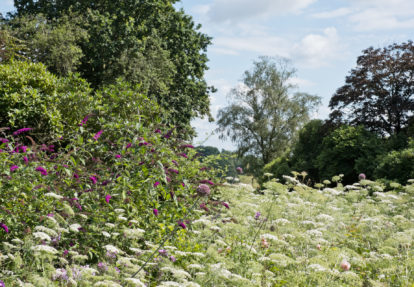
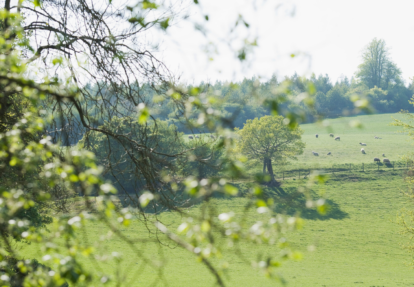
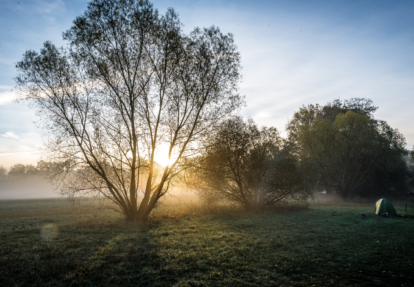
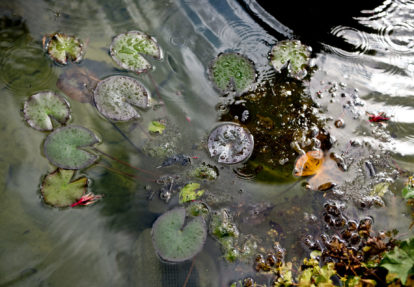
Lord Sandon has been adamant that we tackle this at Sandon head on. It is the duty of the estate as a custodian of the environment to prove that there is a way of doing things that is in balance with nature, farming and the needs of wildlife. The planning of the transformation began in 2016 and a decade later things are starting to come to fruit. His vision for a landscape of habitat mosaics, inspired by the work at Knepp and others, is now taking shape. In 2020 one of the farms was brought back in hand and managed according to the principles of Wilding. What is emerging is a shifting mosaic of wild grassland and woodland, with many ‘lost’ species of birds and large and small mammals returning. Field voles, geese and even deer have returned and it is wonderful to see nature breath a sigh of relief even if it is only in a tiny pocket. Currently there is a particular focus on hydrology and by reshaping its movement through the land and introducing ponds, new habitats have formed that are already rich with life, while also helping to slow water flow and reduce flooding on local roads.
Traditional grazing animals, including White Park cattle and Exmoor ponies – two breeds listed on The Rare Breed Survival Trust Watchlist – play a vital role in shaping this landscape. Their natural behaviours encourage plant diversity and create varied habitats, maintaining a balance between open pasture and woodland. Some have become part of the story of the land itself like Ivy, who arrived with her calf George, now taller than she is, both quietly shaping the landscape as they move through it.
Beyond this we are developing an estate wide strategy. Lord Harrowby has been very keen to develop a Riparian restoration project with a planned scheme at Gayton Brook which will evolve into something very special over the coming years. We have already seen otters, water voles, egrets and curlews. We are also developing a novel approach to Forestry. Our 500 acres of woodland are now given over to natural regeneration, the forestry equivalent of wilding, and we have begun allowing cattle and the ponies to graze the woods with amazing results. In time we will add pigs to this. Contrary to conventional beliefs you do not need to plant trees to plant a wood! In fact you get a healthier woodland long-term, if you allow the area to regenerate according to natural seed banks.
The bluebells, red campion and foxgloves have never been so good here, thanks to the work of the ponies and animals. Before it was just out of control brambles which, although we resisted, were ‘meant’ to be sprayed.
The Sandon Park as a Historic and Living Landscape
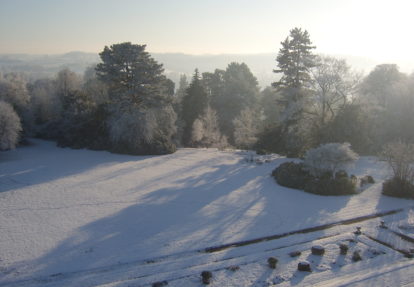
This initiative has been led by Lord Sandon and after much consideration of the correct historic interpretation of the Sandon Park we have begun our journey into more sensitive management, both historically and ecological, which in fact are not mutually exclusive.
This includes allowing native plants such as nettles to thrive, implementing a ban on glyphosate and other bee-harming chemicals and leaving features like molehills undisturbed to aerate the soil, recycle nutrients and create microhabitats for insects and wildlife, an unseen contribution to a healthier soil structure and therefore a healthy Park ecosystem. Soon the Exmoors and White Park Cattle will be gently introduced to the Upper Park, extending our conservation efforts to a more landscape scale.
We invite you to delight in and contemplate the developing sophistication of the visual landscape, soft edges, vegetative structure that catches the light in unexpected ways. Look for complexity in the vistas and layering and challenge yourself to see beauty in new ways.
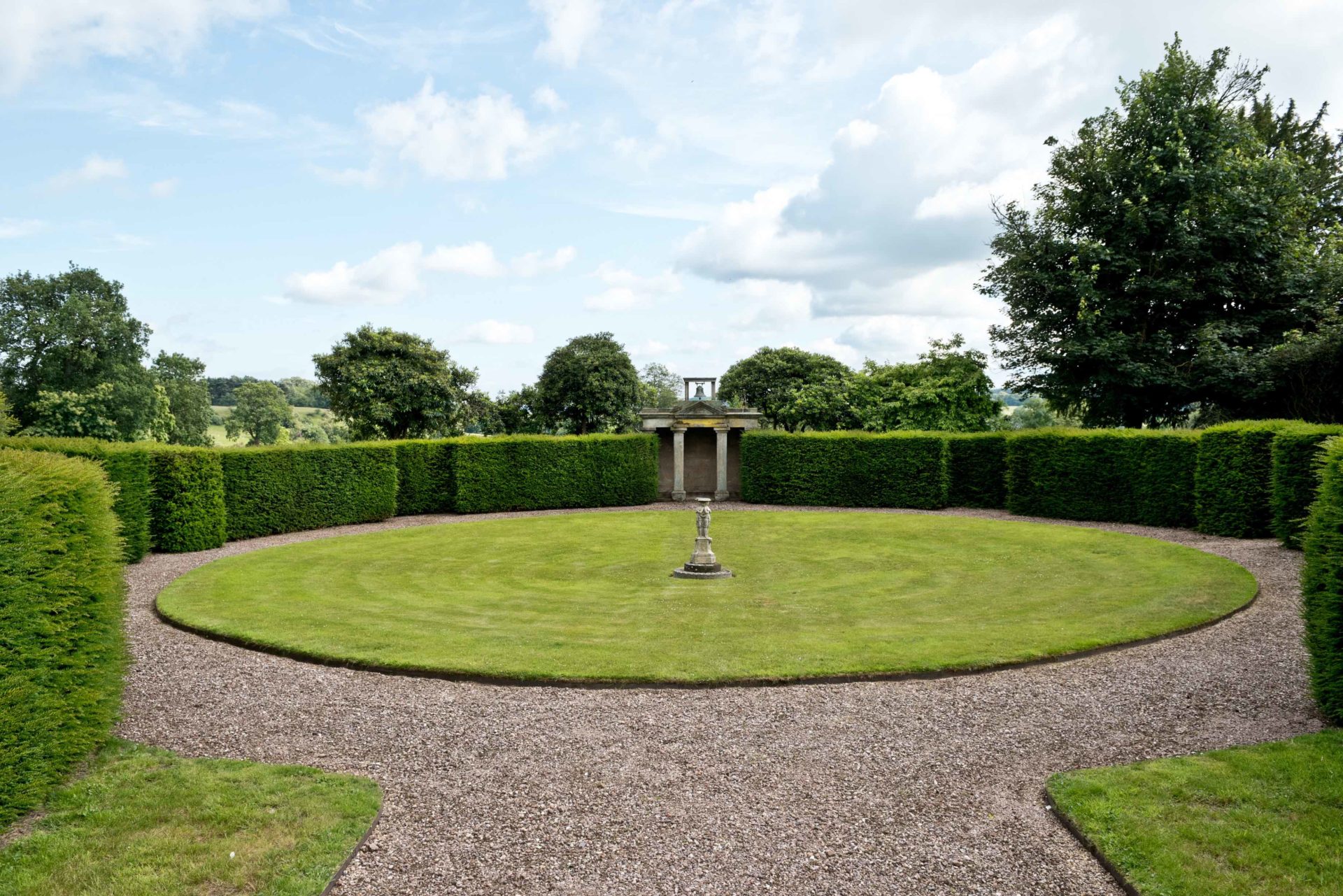
The Formal Gardens
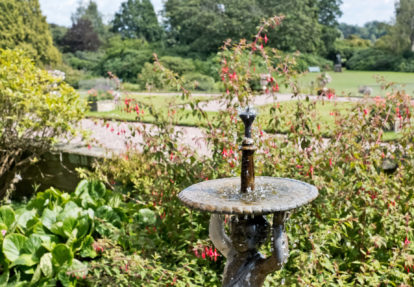
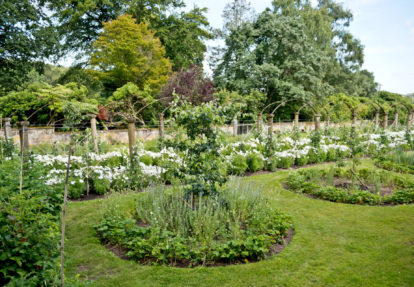
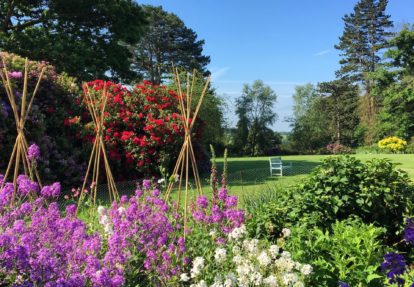
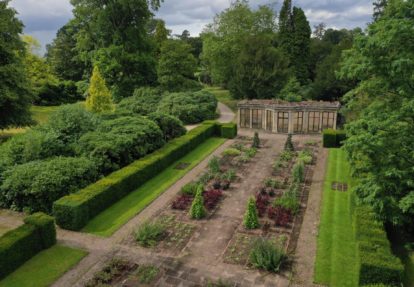
At Sandon Hall, we believe that beauty, celebration, events and ecology can exist in harmony. Our formal gardens are carefully maintained, our landscapes are allowed to breathe and evolve, and our weddings unfold within a setting that supports both people and nature.
We don’t see this as a compromise, but as a balance – where heritage, hospitality and habitat co-exist.
Sustainability Practices
Our ethos in the gardens is to manage the landscape in a way that supports biodiversity while reducing intervention. Outer areas are cut in staggered patterns to mimic nature, while more formal spaces remain carefully balanced.
We have transitioned to battery-powered equipment wherever possible, reducing emissions, noise and impact on the environment.
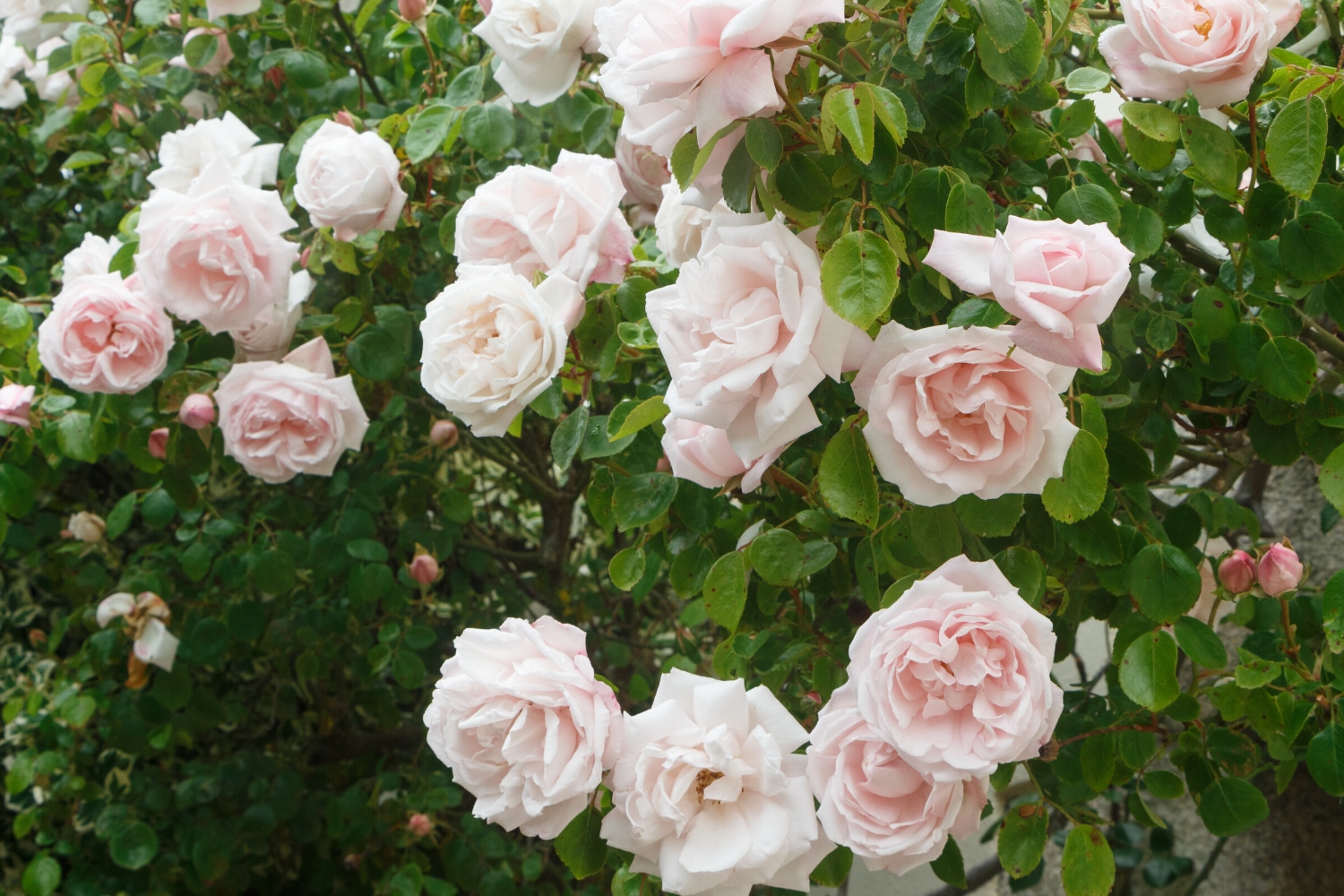
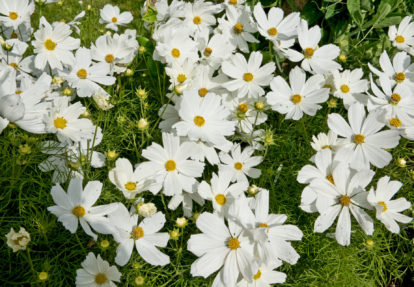
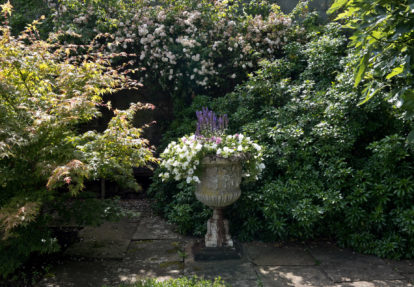
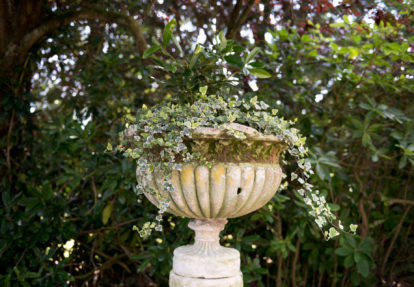
We plant for long flowering seasons to support pollinators from early spring through to autumn, using a diverse mix of species and retaining ecologically important plants such as nettles and brambles, including our urn planting schemes, where we no longer use bedding.
We work with responsible suppliers, prohibit floral foam and guide and encourage our guests towards lower-impact celebrations through considered policies on confetti and waste.
Although chemical spraying has been banned in the garden since 2018, where we have had great success with vinegar, this year the same will apply to the Park, which brings us into alignment with the best practices of the National Trust, fitting for a heritage landscape.
Follow the journey on Instagram @sandonwilding
JOIN US AT SUNSET
Experience the landscape as it shifts from day to evening.
As part of the project, we invite guests to experience the wilding landscape at its most atmospheric.
This guided, two-hour experience begins with collection from Sandon Hall and takes you into the heart of the rewilding area at sunset. The experience concludes with a drink and a traditional Staffordshire oatcake, cooked on site.
£50 per person
Minimum group size: 4 guests